Semen volume and sperm count
Total progressive motile sperm count (TMSC) demonstrates the strongest association with IUI success.
Post wash TMSC >=10 million is the threshold for an optimal IUI success. The chance of achieving
pregnancy diminishes when TMSC falls below 5 million especially among women with prolonged
infertility exceeding 10 years. When the TMSC is persistently low and pregnancy is not achieved couples
need to think about transition to alternative ART options.
Sperm morphology
Abnormal sperm morphology is associated with higher miscarriage rate around 35.6%
Sperm DNA fragmentation
Failure to achieve pregnancy after >=2-3 well conducted IUI cycles ie with adequate ovarian stimulation
and satisfactory TMSC we need to assess sperm DNA fragmentation. The pregnancy loss is 27.3% with
high sperm DNA fragmentation. Addressing the modifiable factors would largely help in reducing the
DNA fragmentation in addition to treating infections optimizing comorbid diseases and frequent
ejaculations.
Maternal factors
Number of follicles
The more the number of follicles higher is the IUI success. Multi-follicular development is achieved with
the use of specific treatments albeit they come with a risk of higher order pregnancies
Endometrial thickness
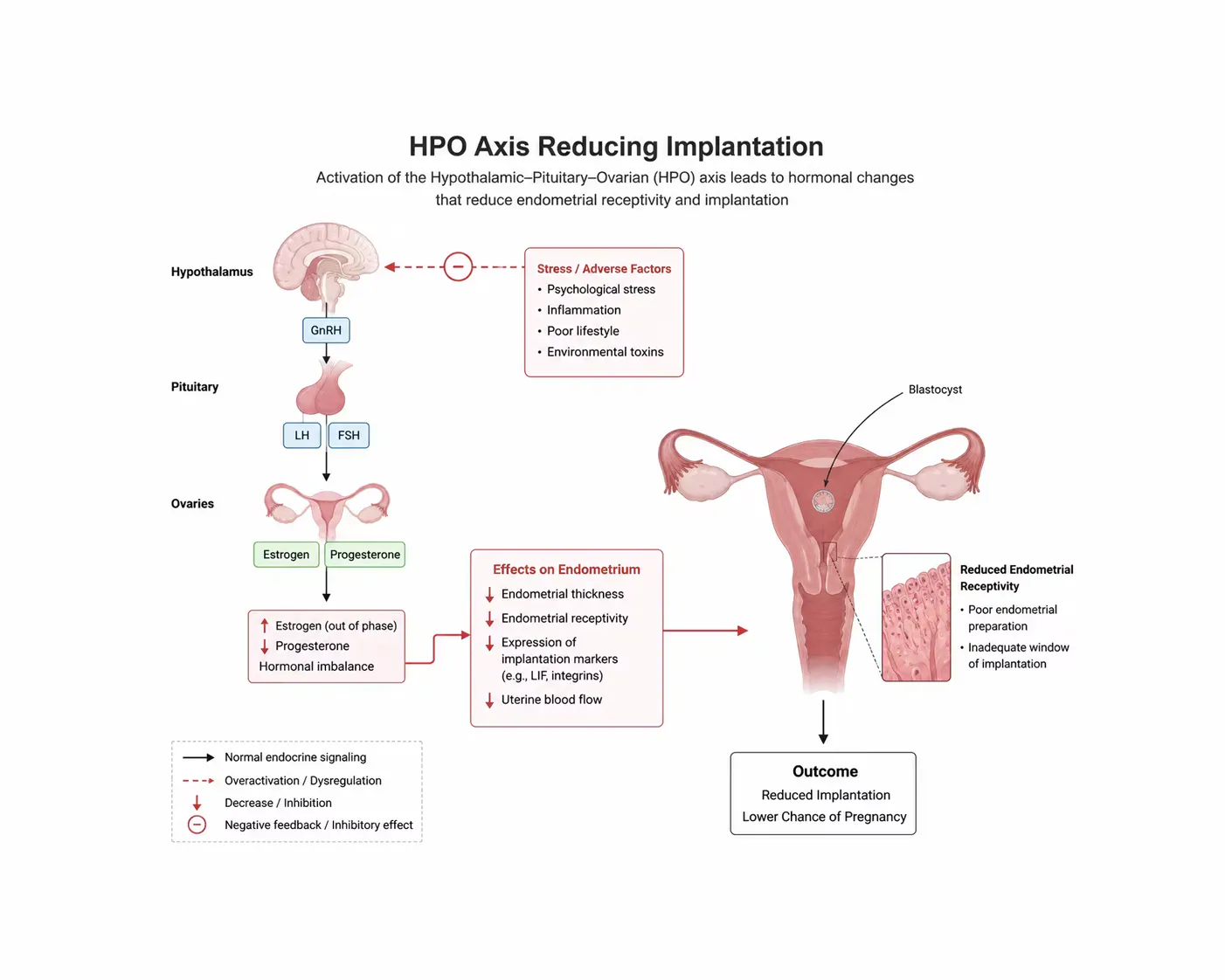
The lining of the uterus below 6 mm is associated with reduced pregnancy rates. Diet enriched with
vitamin E and arginine will help with the endometrial blood supply
Luteal support
Vaginal progesterone gel or micronized progesterone significantly increases the clinical pregnancy rates
and live birth rate especially when injections are used to stimulate the ovaries for follicle development
Given the above information the ultimate success will depend on the personalised treatment
approaches wherein IUI should be indicated as per the cause of infertility which your doctor will be able
to determine.